
Stay up to date with the Refreshing Rivers Program by subscribing to our newsletter.
Thanks for subscribing to Refreshing Rivers!
Oops! Something went wrong while submitting the form.

Discover how "Wunelli" is farming for profit and the planet
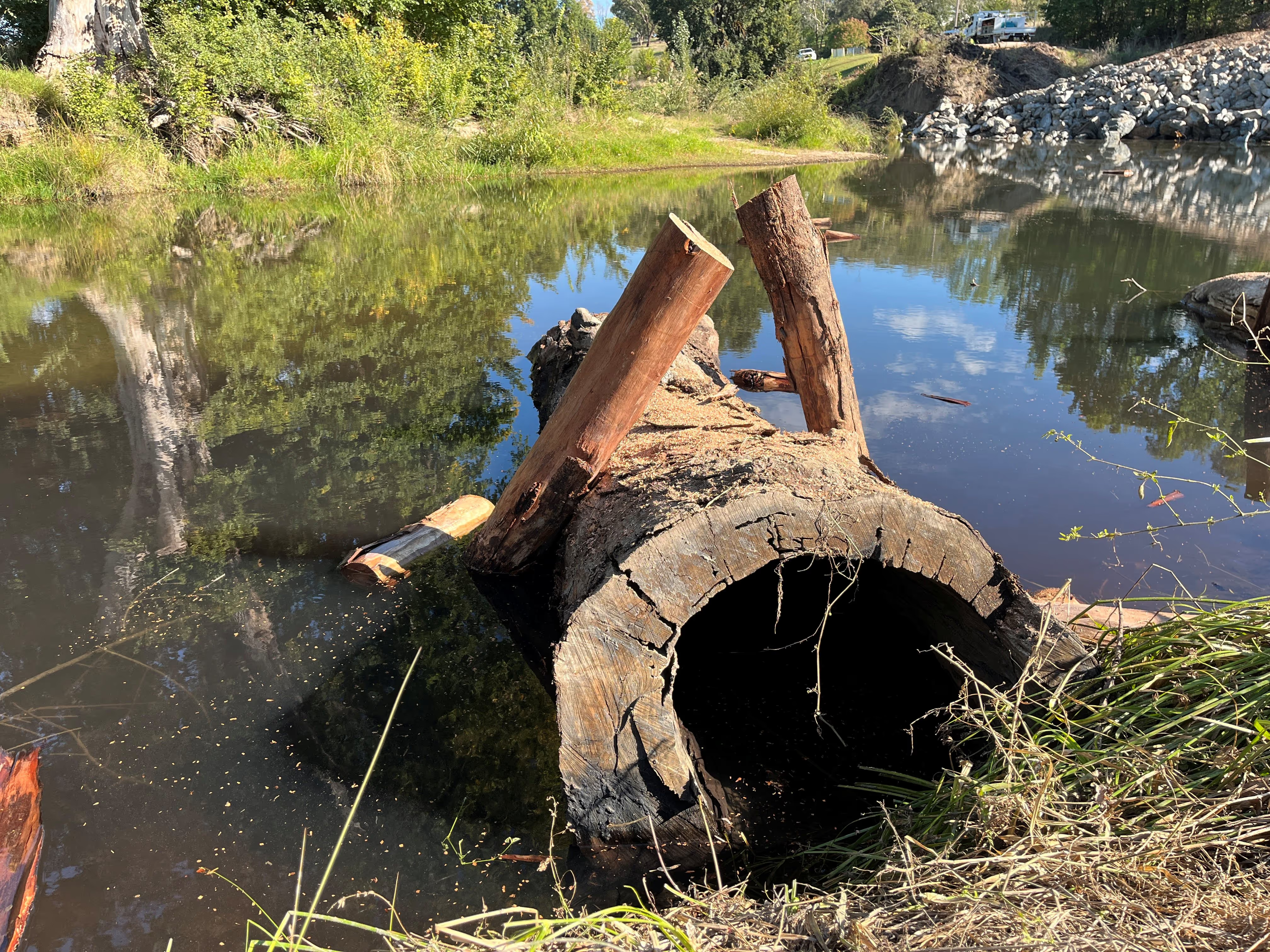
Refreshing Rivers is working alongside Landcare, local government, and the Soil Conservation Service to install cod logs in the Adelong Creek. These structures form part of a nature‑based solution designed to strengthen river resilience following extreme weather events and ongoing habitat loss.
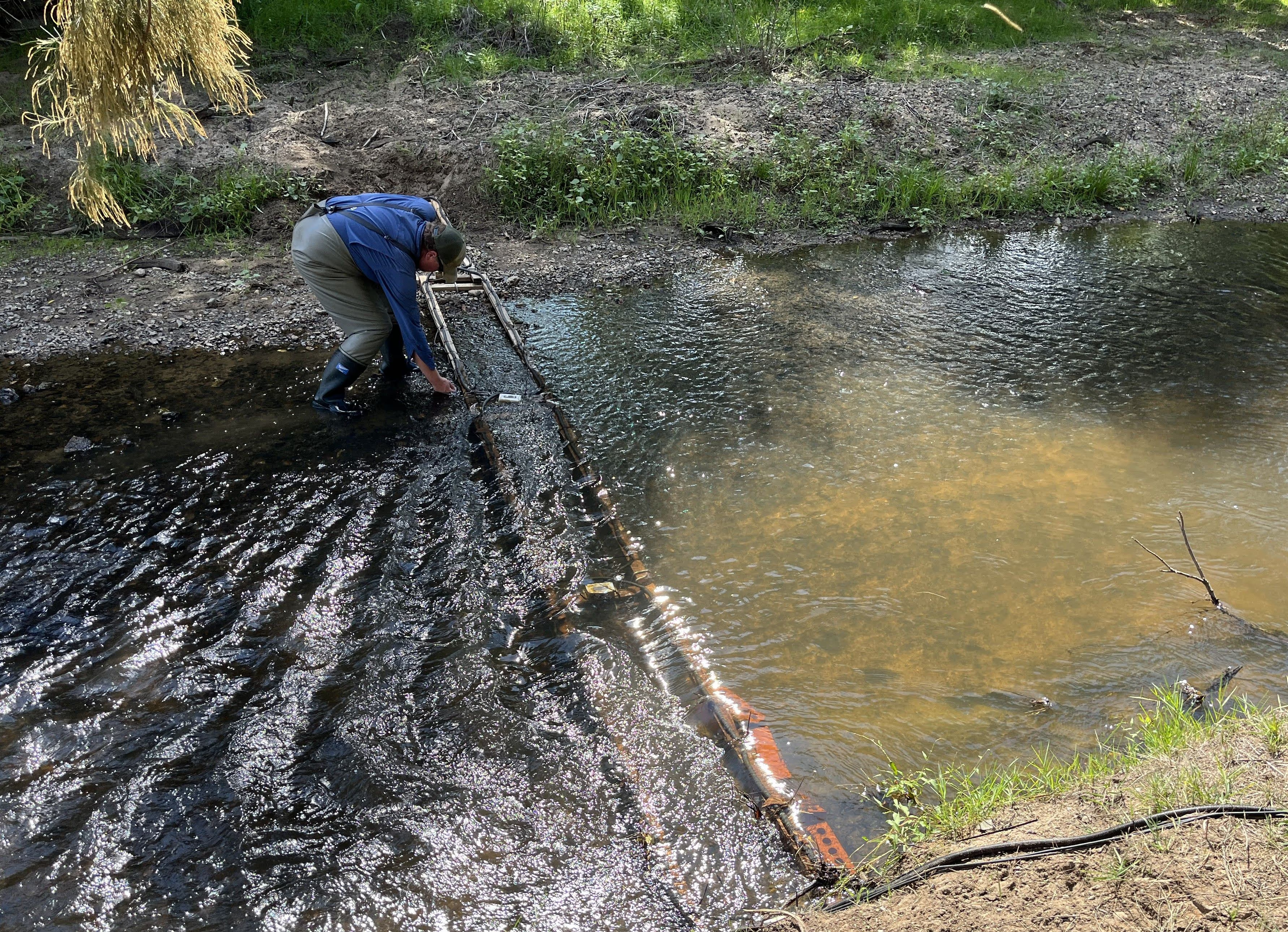
In what is thought to be an Australian first, a portable PIT (Passive Integrated Transponder) reader has been installed in Adjungbilly Creek to help scientists track the movements of the endangered Macquarie Perch.
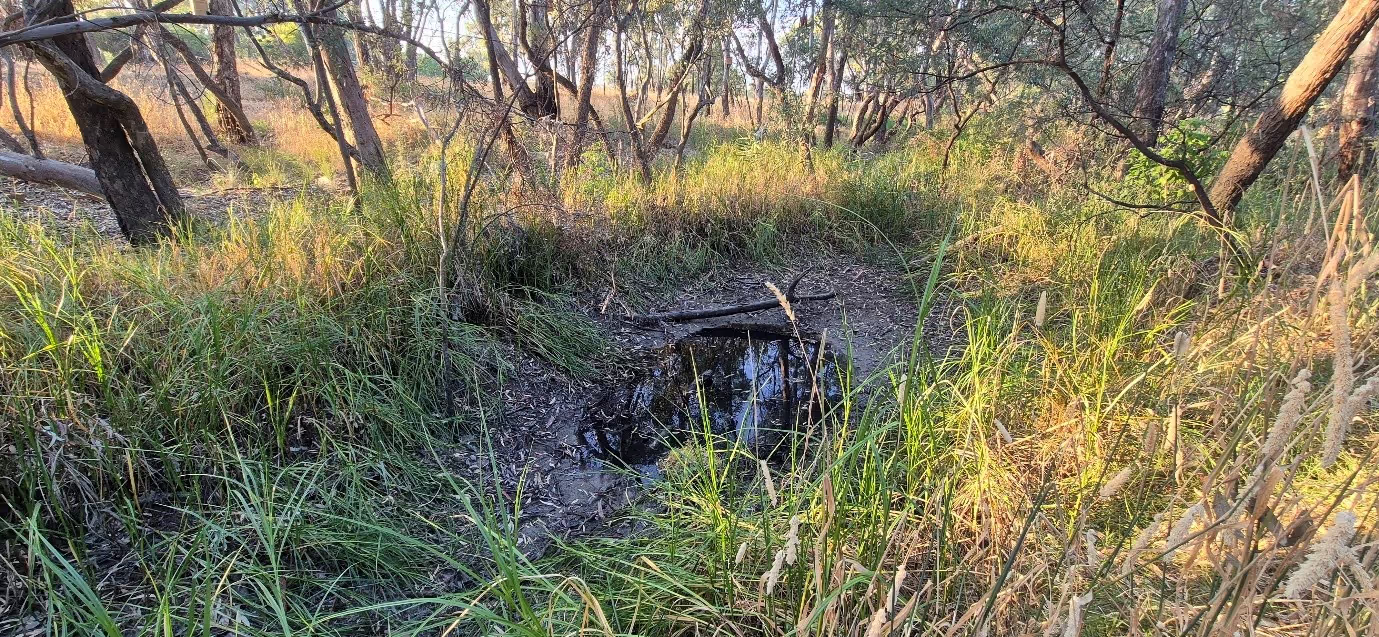
Extreme low flows are pushing refuge pools to their limits. Heat, sediment, salinity and stock impacts are degrading water quality and threatening native fish. This article outlines what’s causing it and practical steps we can take to protect our waterways.
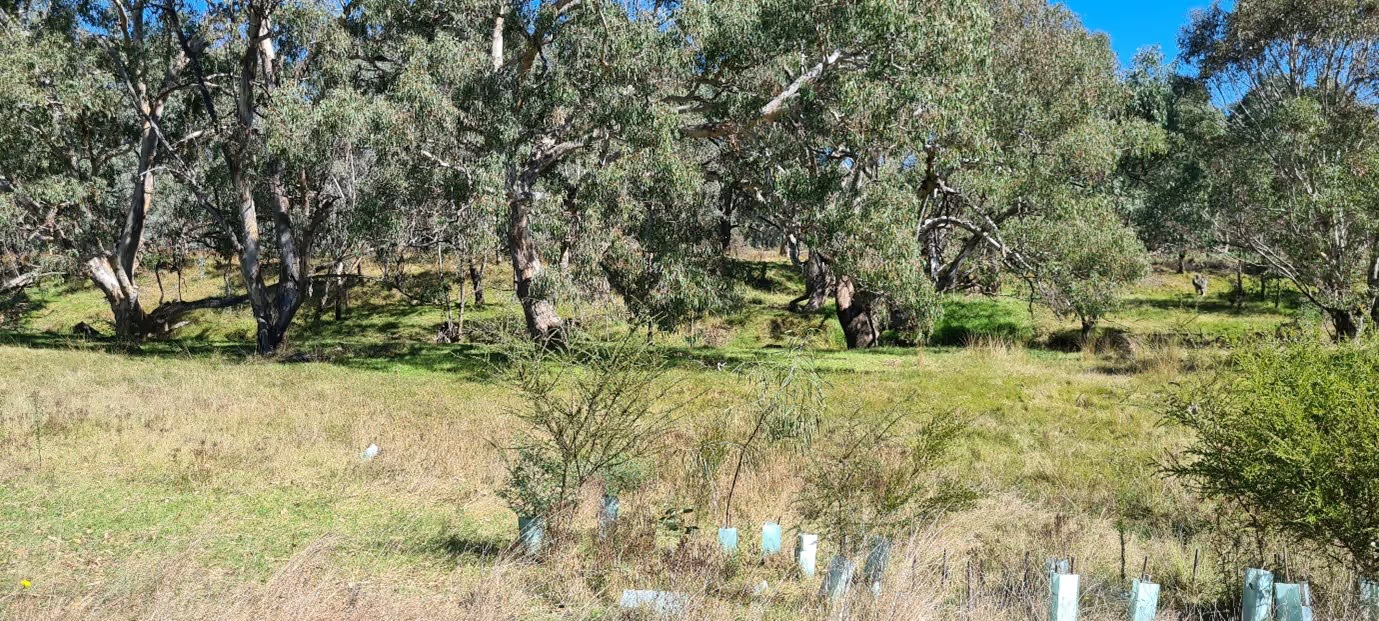
Courtesy of the Refreshing Upper Billabong project, we have a limited number of tubestock suitable for planting both instream and along creek banks to reduce erosion and create habitat.
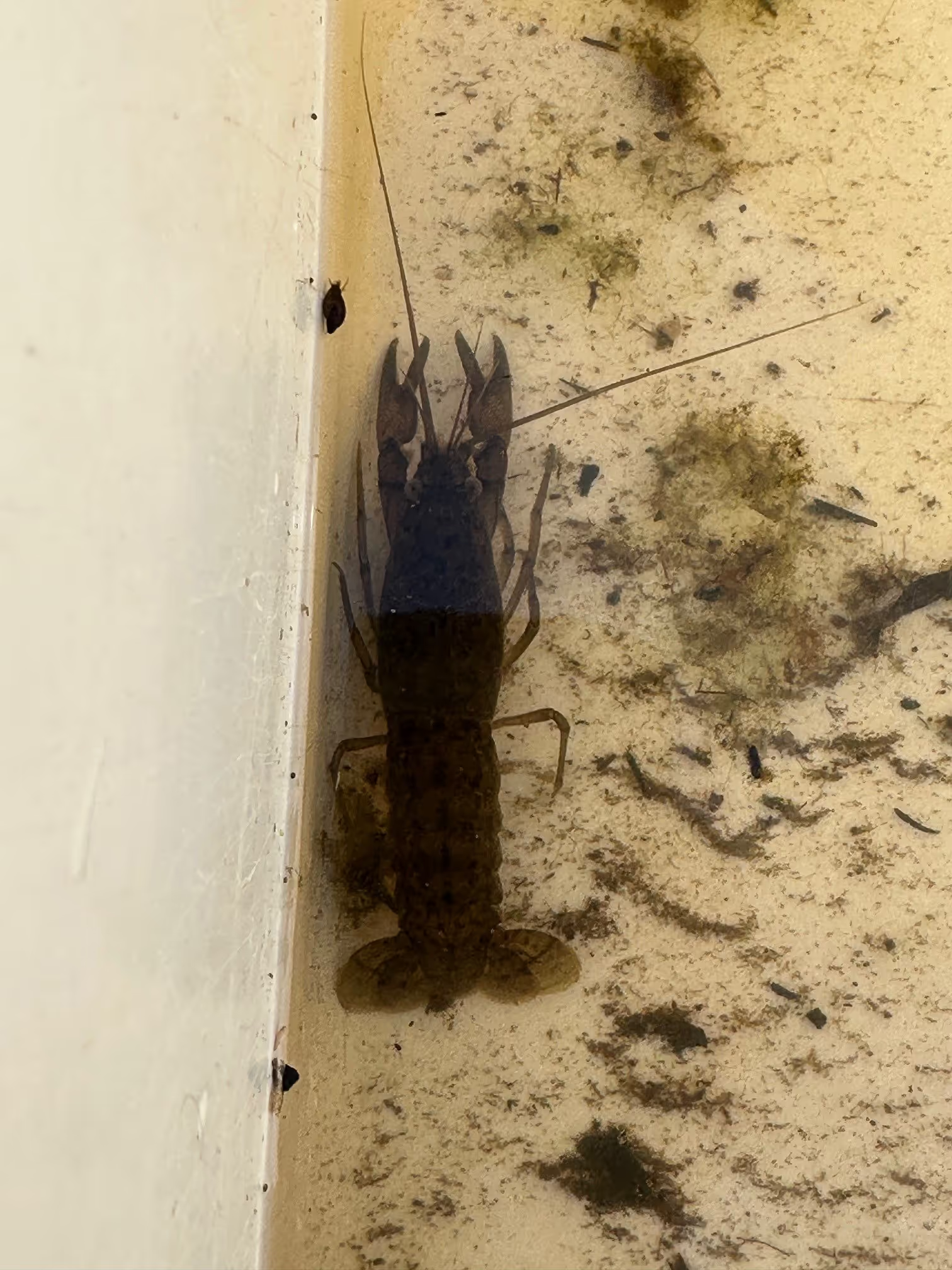
We lacked information on the aquatic wildlife of the Upper Billabong catchment, so using Citizen Science - the Refreshing Rivers iNaturalist project and eDNA tests, we have gathered 1,672 observations across the catchment and also completed 9 eDNA profiles in local waterways.
Refreshing Rivers is working alongside Landcare, local government, and the Soil Conservation Service to install cod logs in the Adelong Creek. These structures form part of a nature‑based solution designed to strengthen river resilience following extreme weather events and ongoing habitat loss.
In what is thought to be an Australian first, a portable PIT (Passive Integrated Transponder) reader has been installed in Adjungbilly Creek to help scientists track the movements of the endangered Macquarie Perch.
Extreme low flows are pushing refuge pools to their limits. Heat, sediment, salinity and stock impacts are degrading water quality and threatening native fish. This article outlines what’s causing it and practical steps we can take to protect our waterways.
Courtesy of the Refreshing Upper Billabong project, we have a limited number of tubestock suitable for planting both instream and along creek banks to reduce erosion and create habitat.
We lacked information on the aquatic wildlife of the Upper Billabong catchment, so using Citizen Science - the Refreshing Rivers iNaturalist project and eDNA tests, we have gathered 1,672 observations across the catchment and also completed 9 eDNA profiles in local waterways.
Discover how "Wunelli" is farming for profit and the planet

Let's get our hands dirty and prepare wetland plants onto growth mats! We do this to prepare them to be replanted into rivers and streams, to improve the health of our waterways.
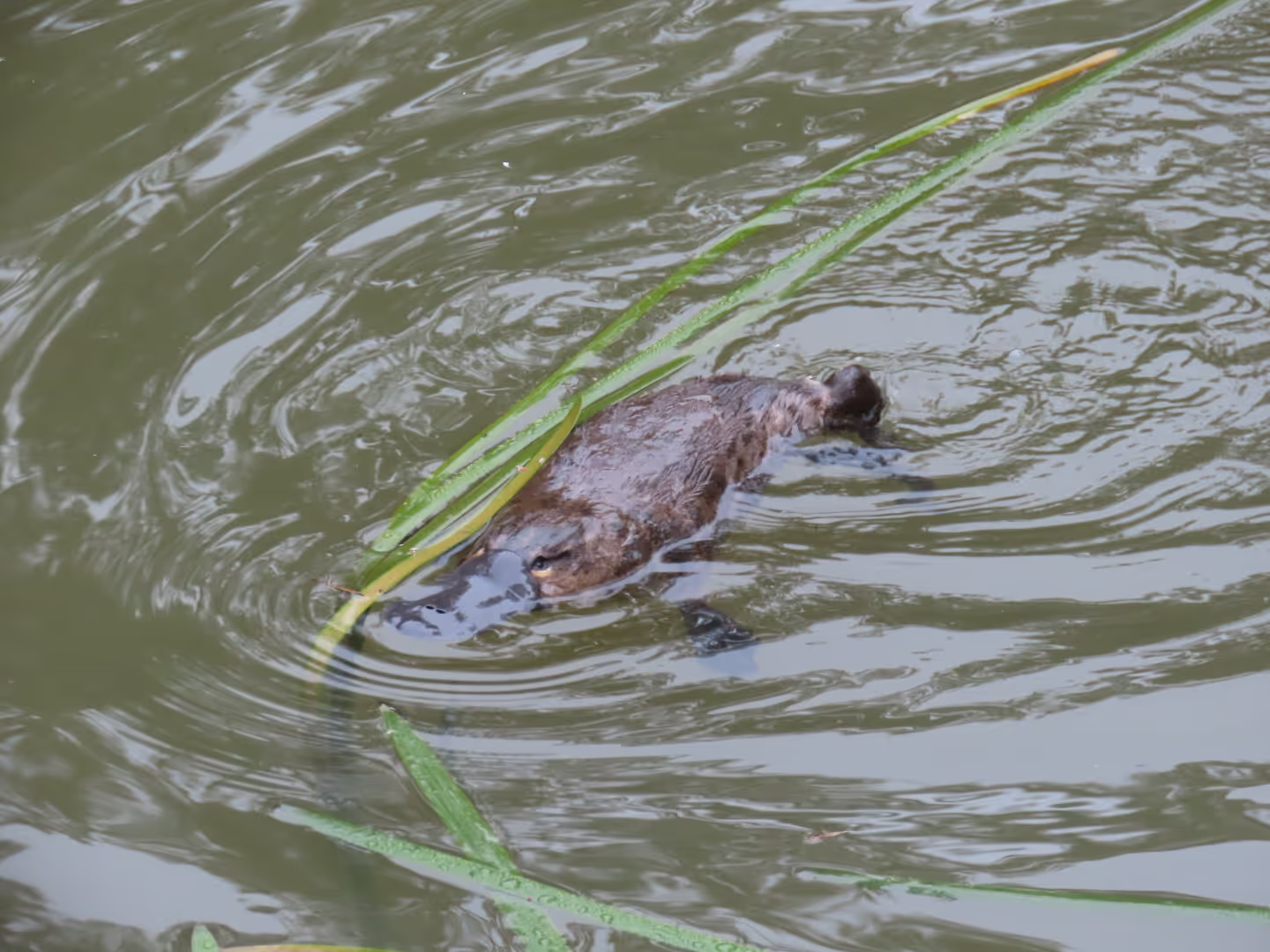
Take part in the Platy-project and you’ll help researchers understand more about this elusive animal, and how we can better protect it..
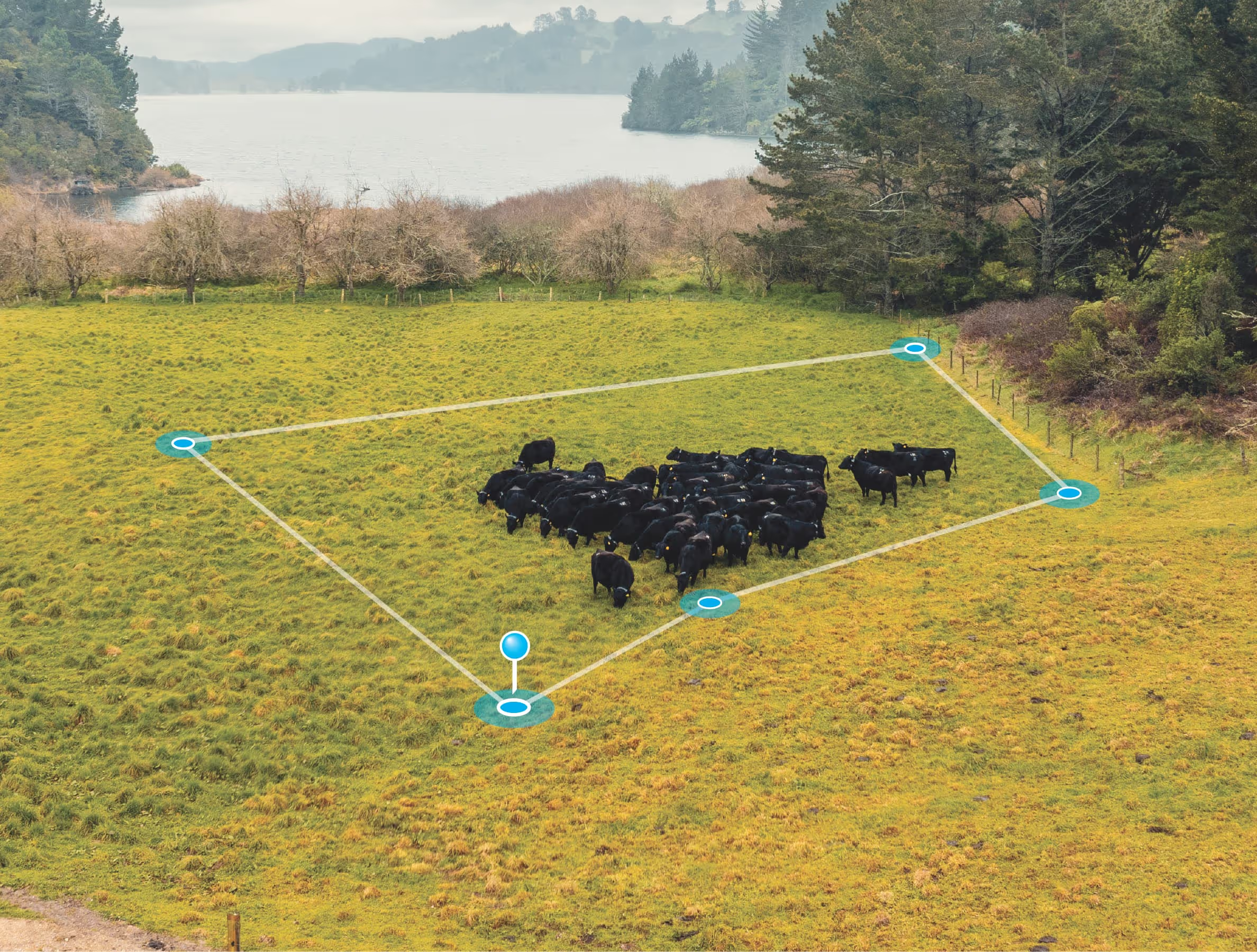
We're hosting an introduction session to virtual fencing technology! Come and learn about virtual fencing, the pros and cons of the technology, and hear from one of the technology providers, Halter and a farmer in the early stages of adoption.

European carp (Cyprinus carpio) uproot vegetation, degrade habitat and reduce water quality, competing with native species for food and space. Come along to help us remove some of these carp from our local waterway.

An instream planting event occurred in early November at Conargo TSR. Past Central Billabong environmental action has been about securing water and willow removal. Planting for purpose and instream restoration is being showcased as methods to use broadly.

YACTAC and Refreshing Rivers were at the Jerilderie Fishing Club’s Kids Fishing Day supporting a creative activity with a waterway theme. The chosen focus species was the eel-tailed catfish.

Citizen science afternoon at Colombo Creek, Morundah, looking for the elusive platypus with YACTAC and Murrumbidgee Landcare Inc.

Photo credit: David Smith, Sustainable Farms ANU
Extreme low flows are pushing refuge pools to their limits. Heat, sediment, salinity and stock impacts are degrading water quality and threatening native fish. This article outlines what’s causing it and practical steps we can take to protect our waterways.
Courtesy of the Refreshing Upper Billabong project, we have a limited number of tubestock suitable for planting both instream and along creek banks to reduce erosion and create habitat.
We lacked information on the aquatic wildlife of the Upper Billabong catchment, so using Citizen Science - the Refreshing Rivers iNaturalist project and eDNA tests, we have gathered 1,672 observations across the catchment and also completed 9 eDNA profiles in local waterways.
Let's get our hands dirty and prepare wetland plants onto growth mats! We do this to prepare them to be replanted into rivers and streams, to improve the health of our waterways.
We're hosting an introduction session to virtual fencing technology! Come and learn about virtual fencing, the pros and cons of the technology, and hear from one of the technology providers, Halter and a farmer in the early stages of adoption.

A new chain of hotels has just been established in Tumut, but their guests will be fish!

We have been working with the Brungle Tumut Local Aboriginal Land Council (LALC) within the Riverina Highlands. Take a look at the recent activities that have been undertaken and the resulting impact on the local environment to improve the health and biodiversity of waterways.

Whether you're a beginner or a seasoned gardener, this workshop will teach you the techniques for propagating one of our regions rarest native plants, the Tumut Grevillea. In doing so you will be part of a program assisting with the recovery of this critically endangered plant.

Come along and hear from speakers from LLS and Ozfish as they explore this issue and provide examples of a number of low cost solutions to improve your waterway
.JPEG)
Join us for a truly special, hands-on workshop where culture, creativity, and community come together. Learn traditional weaving techniques from talented local artists and First Nations educators –all while immersed in the beauty of nature.





Please get in touch by emailing info@refreshingrivers.com.au

All material © Refreshing Rivers 2024.
Website developed by the Australian River Restoration Centre