Restoring Instream habitat at Billabong Creek, Conargo

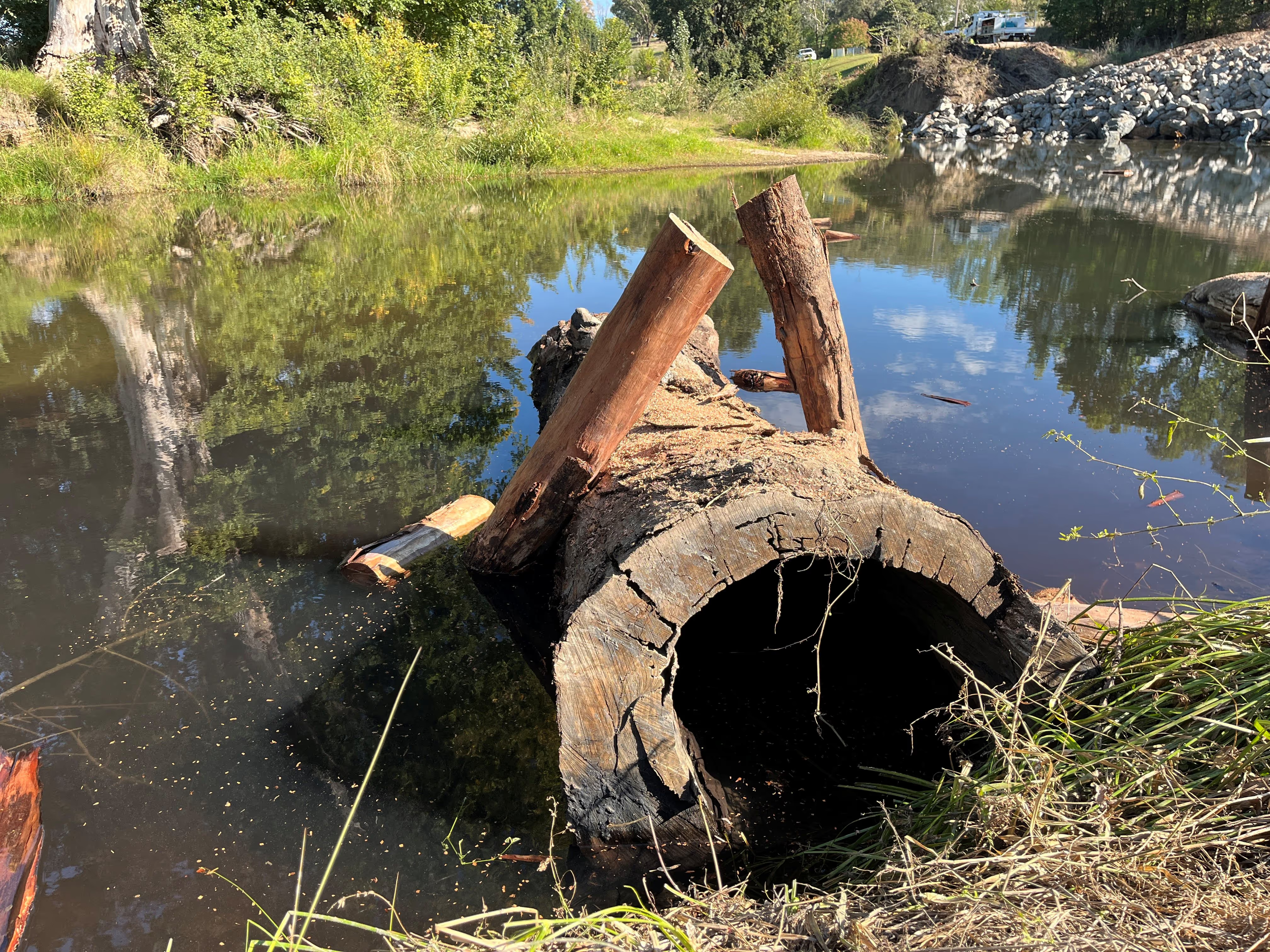
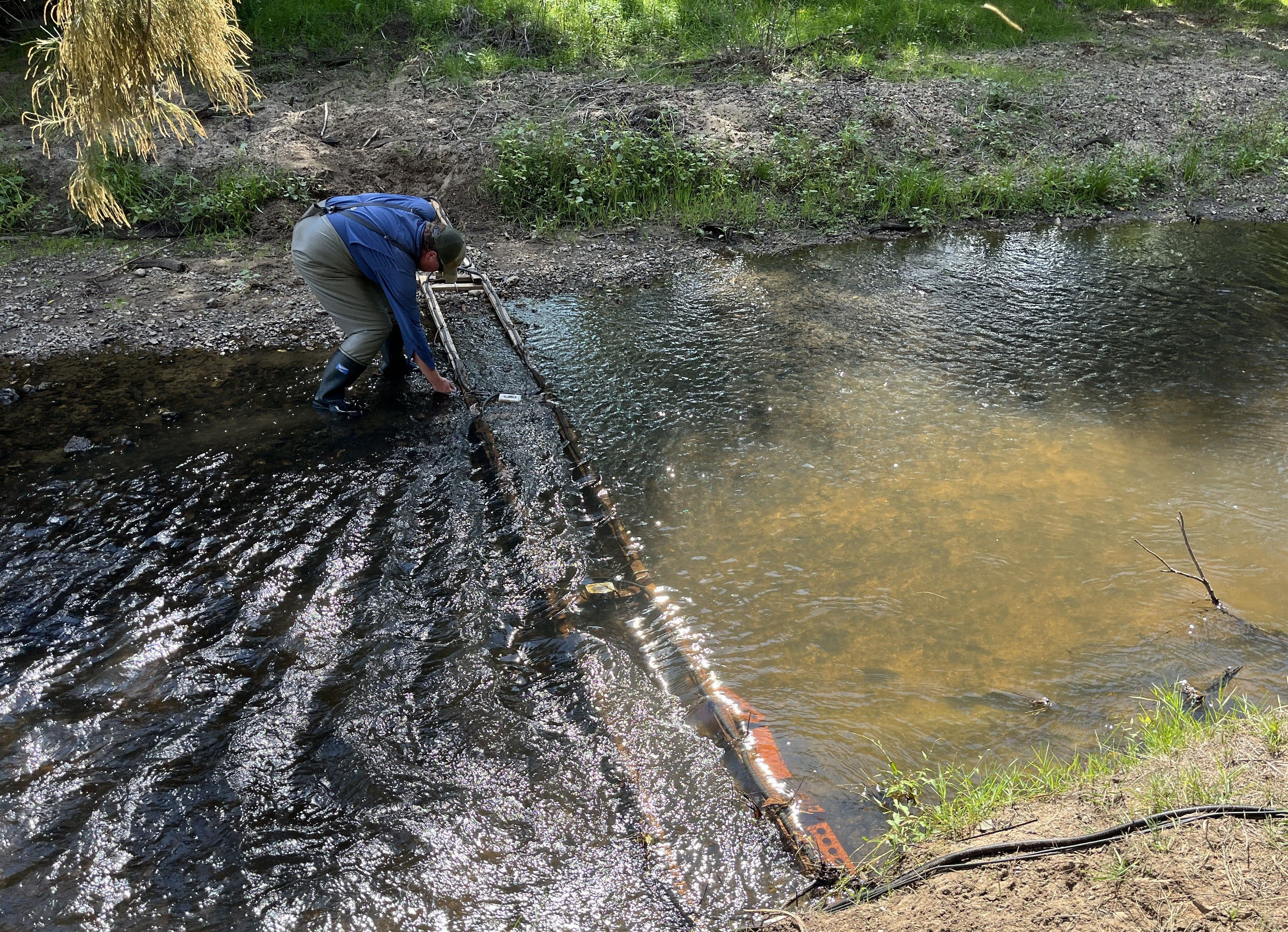
On a mild November morning eleven participants rolled up their sleeves, donned their gumboots and waders to plant over 300 metres of Billabong Creek frontage at Conargo TSR. Five emergent species were planted: jointed twig rush (Baumea articulata), river club rush (Schoenoplectus validus), water ribbons (Cycnogeton procerum), giant sedge (Cyperus exaltatus) and grey sedge (Lepironia articulata).
The instream planting event occurred as part of a Refreshing Rivers project to restore and protect Eel-tailed catfish (Tandanus tandanus) habitat and address key threats such as habitat degradation and water quality decline. It is also showcasing planting methods to use more broadly across the Central Billabong.
YACTAC, Murray Local Land Services, Deniliquin High School and Deni-Kolety Lagoons Landcare (DKLL) were all involved on the day.
Roseanne Farrant, DKLL, described the benefits of revegetating,
“Imagine the capacity (of twig rush) of absorbing energy from a boat and how well the roots hold the soil together”.
Other benefits of waterway plants include: water filtering, fish and bird habitat, bank stabilisation, refuge from fast flowing water, waterway diversity and carbon sequestration.
Andrea Mitchell, YACTAC, explained,
“Past Central Billabong environmental action has been about securing water (permanent flow) and willow removal in Yanco Creek System. Now we are at the stage of waterway restoration and increasing habitat complexity for a healthier system.”
Funding has come from Refreshing Rivers, a collaborative 10-year program to improve catchment management and waterway health across the Murray-Riverina. YACTAC and the Department of Planning and Environment have also financially supported the project.