Operation Platypus
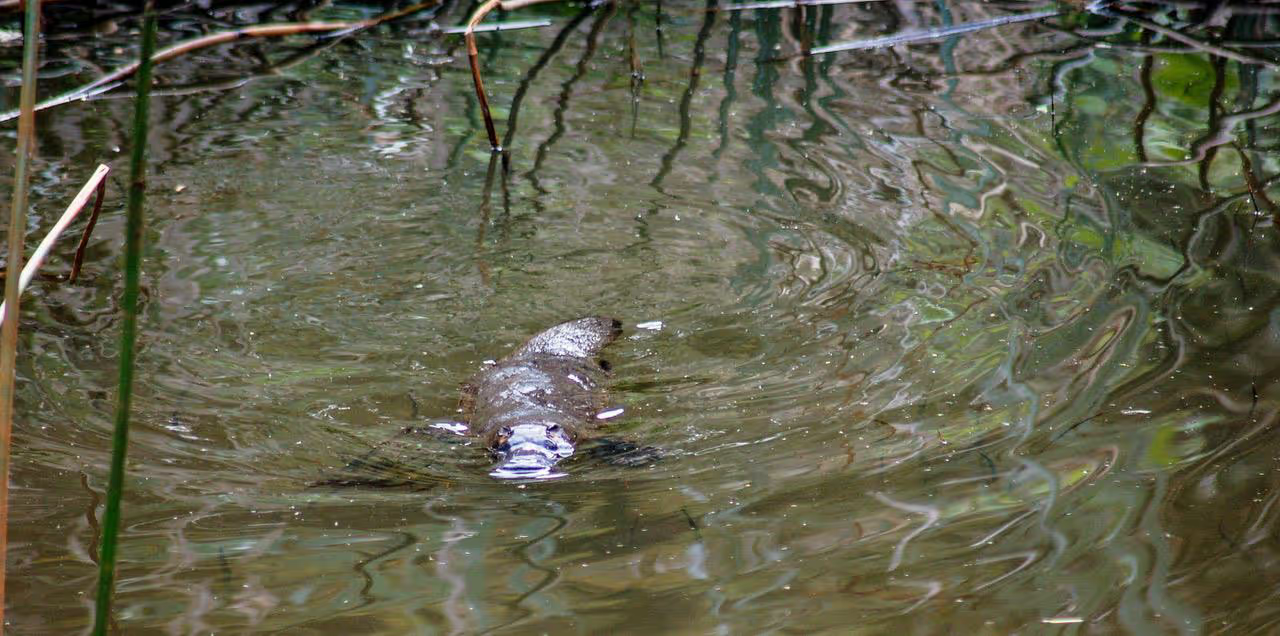
Have you spotted a platypus? We’re on the lookout too!
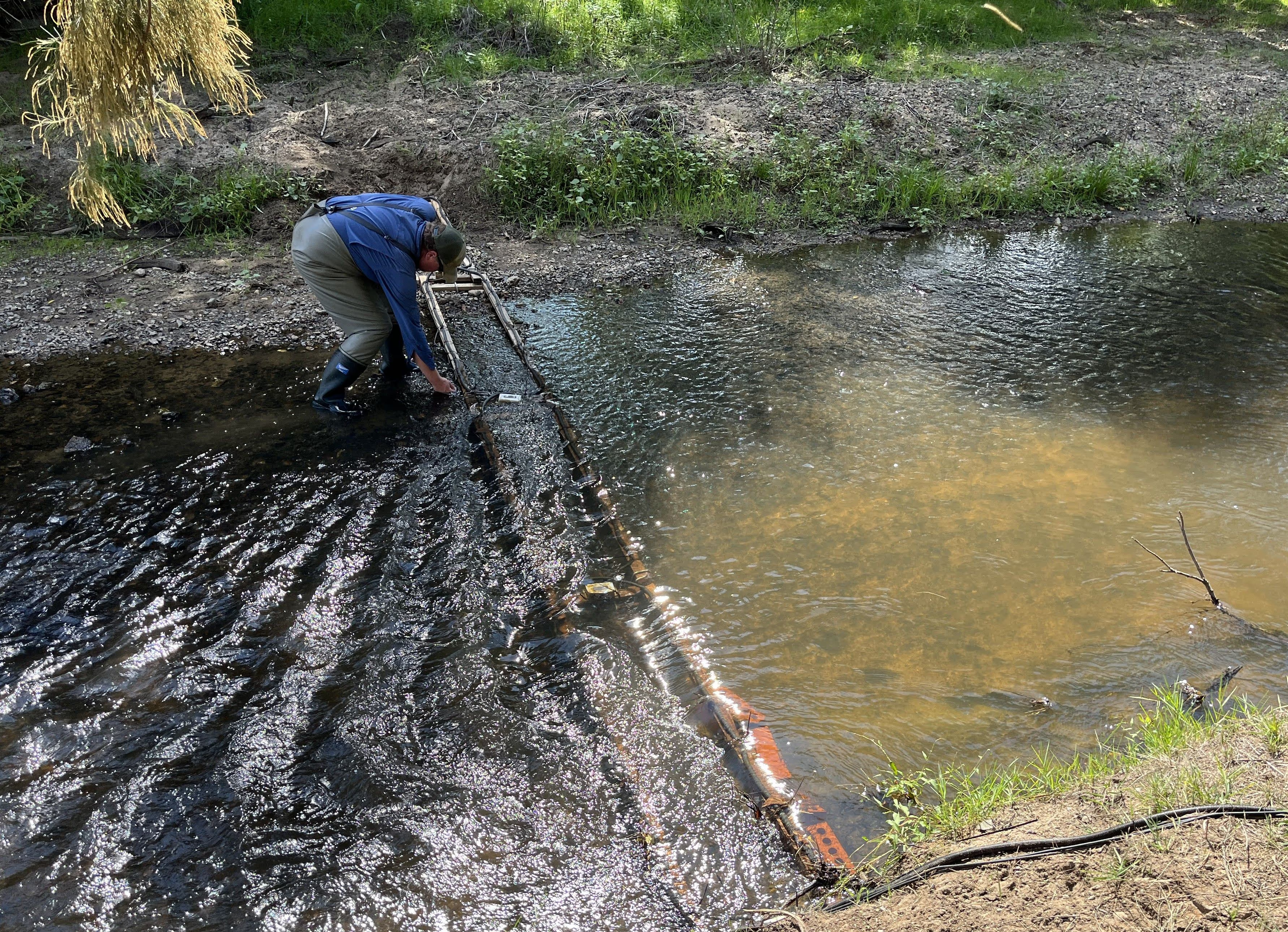
We’ve been busy along Billabong Creek in the Upper Billabong Project Target Area, using a clever tool called environmental DNA (eDNA) to detect the presence of platypus in the water. It’s a simple, non-invasive method that lets us find out which species are sharing our waterways—without disturbing them.
Why eDNA? Platypuses are notoriously shy and hard to spot using traditional methods like trapping or visual surveys. eDNA gives us a better chance of detecting them, especially when numbers are low.
The platypus is a true Aussie icon, found in waterways from Tasmania to tropical Queensland. But they’re under pressure. Drought, water extraction, land clearing, and introduced predators all threaten their habitat. And because they’re so tricky to monitor, we still don’t have a clear picture of how their populations are tracking.
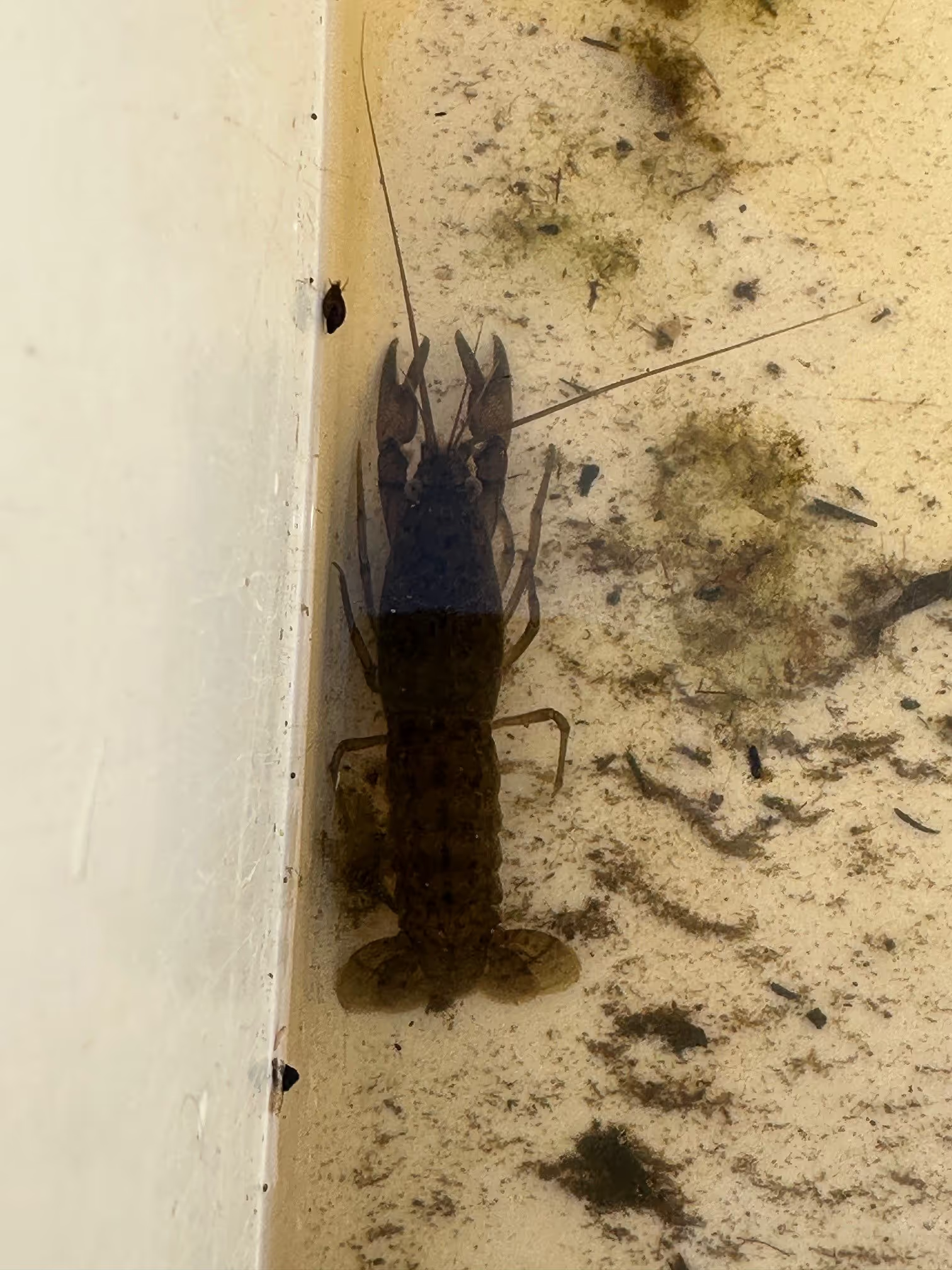
That’s where eDNA comes in. While we’re focusing on platypus, the data also tells us what else is living in the system. This helps guide actions in the riparian zone—that strip of land between paddocks and the creek—like weed control, revegetation, or habitat restoration. These small changes can make a big difference to waterway health.
How you can help our platypus friends
- Follow our journey on Facebook or our website
- Report sightings using the online Platypus Spot tool
- Join a Waterwatch group to help monitor waterway health
- Get your hands dirty at a local planting or clean-up day
- Install a rainwater tank to reduce stormwater runoff
- Watch what goes down the drain—minimise chemicals and waste
- Secure your bin lids to stop rubbish entering waterways
- Own land along a waterway? You might be eligible for a FREE eDNA test and Natural Capital Profile — get in touch to find out more!